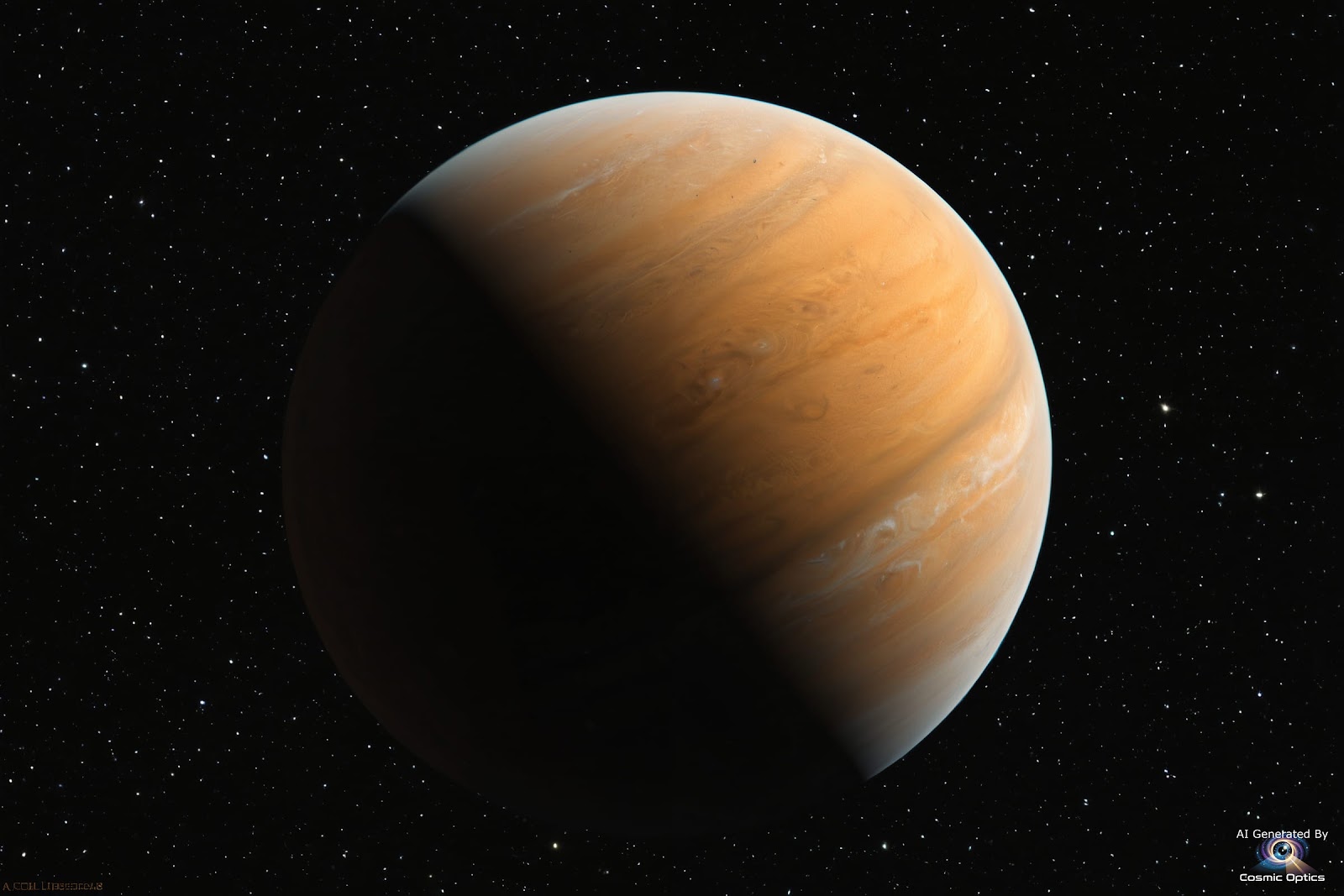
Unveiling the Surface of LHS 3844 b: A Distant Rocky World
For decades, the study of exoplanets focused primarily on identifying atmosphere-rich worlds similar to our own. However, recent advancements in space-based observation technology have shifted the focus toward the "bare" planets—worlds without gas shrouds that allow astronomers to peer directly at their geological foundations. A primary subject of this new frontier is LHS 3844 b, a rocky world located 50 light-years from Earth that provides a unique laboratory for Science to explore planetary evolution.

The Harsh Environment of LHS 3844 b
LHS 3844 b exists in an extreme state, orbiting a cool red dwarf star with a period of only 11 hours. Due to its close proximity to the host star, the planet is tidally locked, ensuring that one hemisphere remains permanently scorched by perpetual daylight. With average temperatures hovering around 1,000 Kelvin—approximately 1,340 degrees Fahrenheit—the planet exists in a state of constant, extreme thermal stress.Leveraging Mid-Infrared Spectroscopy
The research team utilized the Mid Infrared Instrument (MIRI) aboard the James Webb Space Telescope to characterize the surface. By analyzing mid-infrared wavelengths, the team could isolate radiation emitted from the planet’s dayside. Because the telescope can detect subtle shifts in brightness as the planet orbits its star, researchers were able to infer the physical composition of the surface crust, revealing a world starkly devoid of any protective atmosphere..jpeg)
Ruling Out Earth-Like Tectonics
On Earth, a silica-rich crust—composed largely of granite—is maintained by a complex, water-lubricated cycle of plate tectonics and mantle refinement. When the team compared their spectroscopic data against known mineral libraries, they found no signature of granite or similar silica-heavy materials. This suggests that the geological processes responsible for Earth’s diverse crustal composition are either absent or ineffective on LHS 3844 b.Evidence for Basaltic Composition
The data points toward a surface composition dominated by dark, volcanic rock, such as basalt. The spectral signatures align closely with iron-rich and magnesium-rich materials, similar to the mantle material found beneath Earth’s crust or the surface of our own moon.
The Mystery of Space Weathering
Without an atmosphere, planets are defenseless against the relentless barrage of cosmic radiation and meteorite impacts. This process, known as space weathering, creates a layer of fine, dark regolith. The researchers identified two potential geological histories for the planet based on this phenomenon.Scenario One: Recent Volcanic Activity
The first possibility is a relatively "fresh" surface. In this model, widespread and frequent volcanic eruptions constantly resurface the planet, covering older materials with new flows of basaltic magma. However, this model faces scrutiny because the absence of detectable sulfur dioxide—a typical byproduct of active volcanism—makes current, large-scale tectonic activity seem unlikely.Scenario Two: A Dormant, Ancient Surface
The second and more likely scenario suggests that LHS 3844 b is a geologically quiet world. In this model, the dark, granular regolith is the result of prolonged space weathering over millions of years. Much like the moon, which is covered in a darkened, powder-like layer due to its inactivity, LHS 3844 b may be a dormant world where the primary surface changes are driven by external impacts rather than internal heat.