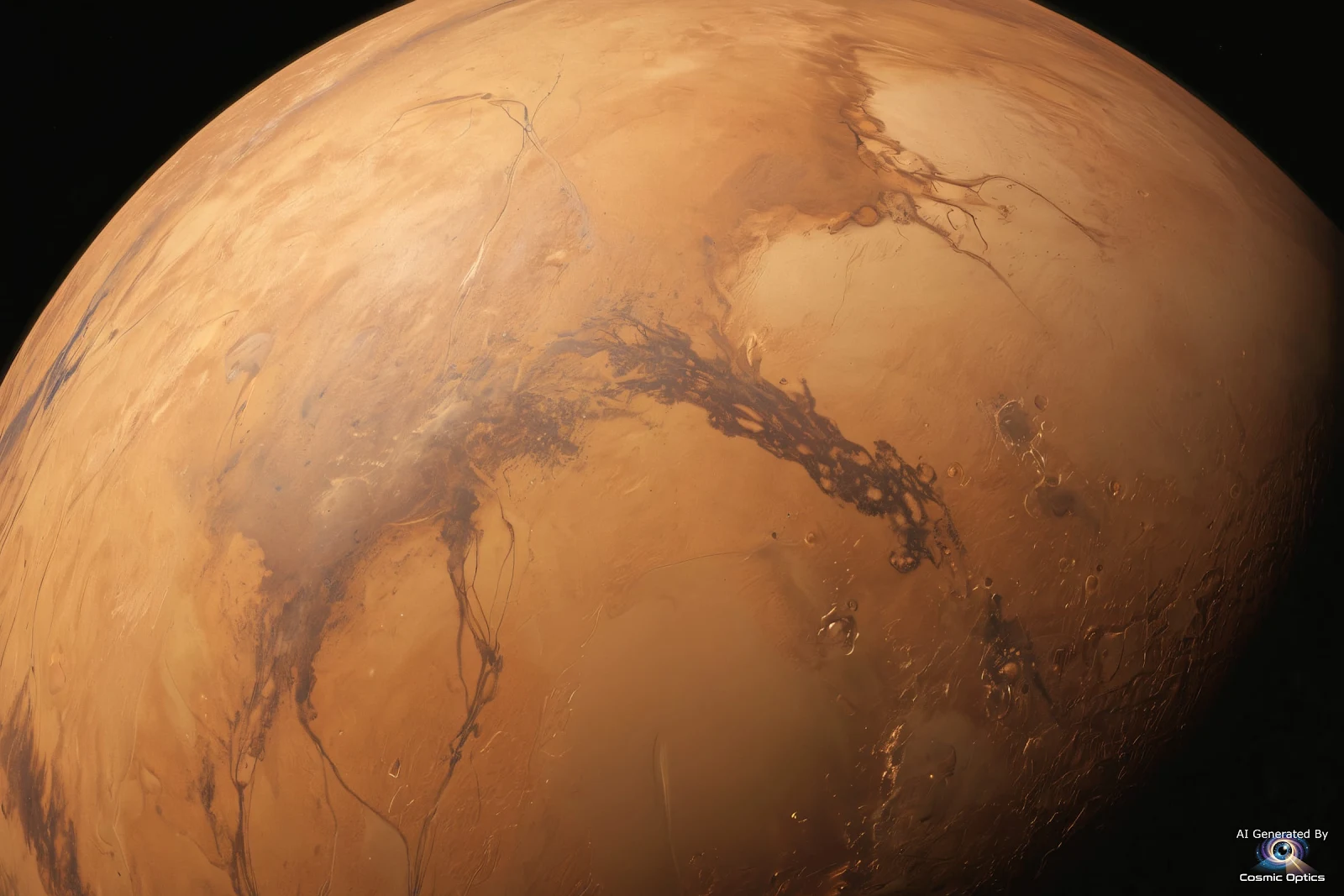
From the brilliant glow of our Sun to the furthest, faintest glimmers of light at the edge of perception, the cosmos is an endless tapestry of wonder. While the inner solar system, with its rocky planets and gas giants, often commands our immediate attention, it is in the frozen, distant reaches that some of the most profound mysteries and breathtaking discoveries of our time are being unveiled. Imagine a realm where sunlight is a mere whisper, where temperatures plunge to unimaginable lows, and where worlds remain largely untouched since the dawn of our solar system. This is the realm of the trans-Neptunian objects, a fascinating frontier that continues to redefine our understanding of planetary formation and evolution.
Beyond the orbit of Neptune lies the Kuiper Belt, a vast disc of icy bodies, a cosmic junkyard where billions of comets, asteroids, and dwarf planets orbit in a slow, majestic dance. These icy denizens are not just inert chunks of ice and rock; they are time capsules, pristine relics from the chaotic birth of our solar system some 4.5 billion years ago. Studying them offers an unparalleled opportunity to peer into our cosmic past, revealing the conditions and processes that ultimately led to the formation of Earth and all its celestial siblings. Each distant, icy world offers clues, a puzzle piece waiting to be placed in the grand mosaic of our origins.
The allure of these distant worlds compelled humanity to send robotic emissaries across unimaginable distances. The images we've received from these pioneering missions are nothing short of astounding, transforming blurry theoretical predictions into tangible, geologically active landscapes. We've seen worlds with towering mountains made of water ice, vast plains of nitrogen ice, and complex atmospheric haze layers that paint skies with ethereal glows. These are not the inert, pockmarked spheres once envisioned; they are dynamic bodies, each with its own captivating story etched into its frigid surface. The sheer scientific marvel of detecting such intricate details across billions of kilometers fills us with an exhilarating sense of triumph and an even greater thirst for knowledge.
What makes these worlds truly extraordinary is their surprising complexity. Far from the gravitational warmth of the Sun, one might expect them to be geologically dead. Yet, observations reveal evidence of cryovolcanism, where icy "lava" erupts onto the surface, resurfacing plains and creating unexpected features. Tectonic activity, driven by internal heat sources or slow convection within their icy mantles, sculpts their surfaces into breathtaking vistas of ridges, troughs, and chasms. And some even boast tenuous atmospheres, incredibly thin veils of gas that subtly interact with the faint sunlight, creating conditions utterly alien to anything we experience on Earth. These revelations challenge long-held assumptions about the requirements for geological activity, suggesting that the universe might be far more dynamic and diverse than we ever dared to imagine.
The scientific value of these frozen wonders extends far beyond their individual geological marvels. They are crucial for understanding the early dynamics of our solar system. Theories suggest that the gas giants, particularly Neptune and Uranus, did not form in their current locations but migrated outwards, scattering these smaller icy bodies in their wake. The distribution, composition, and orbital characteristics of Kuiper Belt Objects provide vital evidence for these grand migrations, helping astronomers refine models of planetary system evolution. Furthermore, they are the source of many comets that occasionally grace our inner skies, carrying their ancient secrets towards the Sun before retreating once more into the inky blackness.
The quest to explore these outer reaches is far from over. With ongoing observations from powerful ground-based telescopes and orbiting observatories, scientists continue to identify new, previously unseen objects, some of which are truly colossal, hinting at an even larger, undiscovered planetary body potentially lurking in the deepest, darkest corners of our solar system. The theoretical "Planet Nine" hypothesis, for example, is driven by the peculiar clustering of orbits among certain trans-Neptunian objects, a gravitational whisper from a world yet unseen. Future missions are already being conceptualized, promising even closer looks at these enigmatic spheres, equipped with advanced instruments capable of discerning even finer details and unlocking more profound secrets.
To gaze upon one of these distant, icy worlds, even through the lens of a robotic explorer, is to be reminded of the boundless scale and profound beauty of our universe. It is a testament to the enduring human spirit of curiosity and exploration, a drive to push beyond the known and embrace the mystery. Each new discovery from this frozen frontier is not just a scientific data point; it's a thrilling chapter in humanity's ongoing story of understanding our place in the vast, silent expanse of the cosmos. These far-flung cosmic neighbors, once mere pinpricks of light, are now becoming increasingly vivid, beckoning us to continue our journey into the unknown.