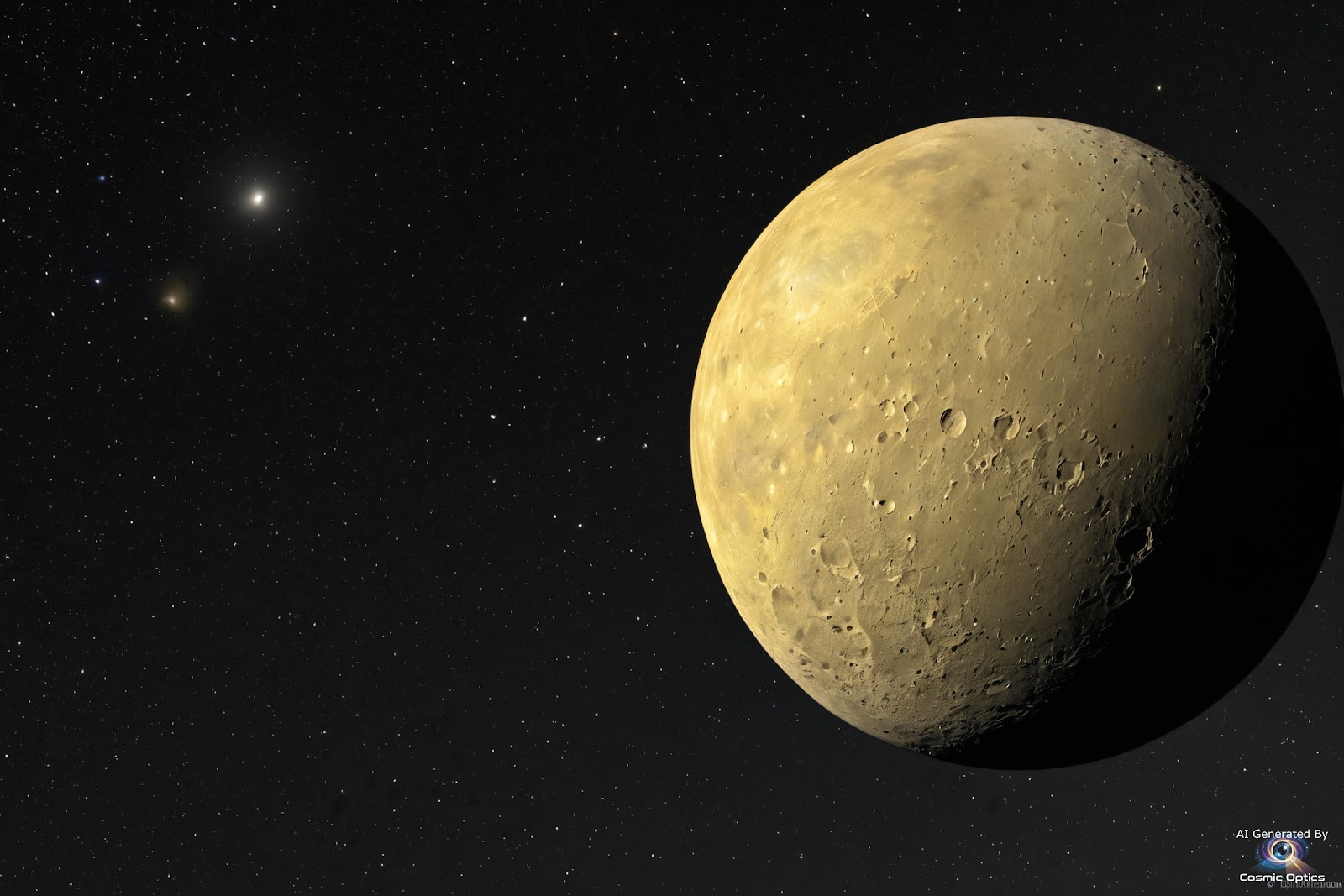
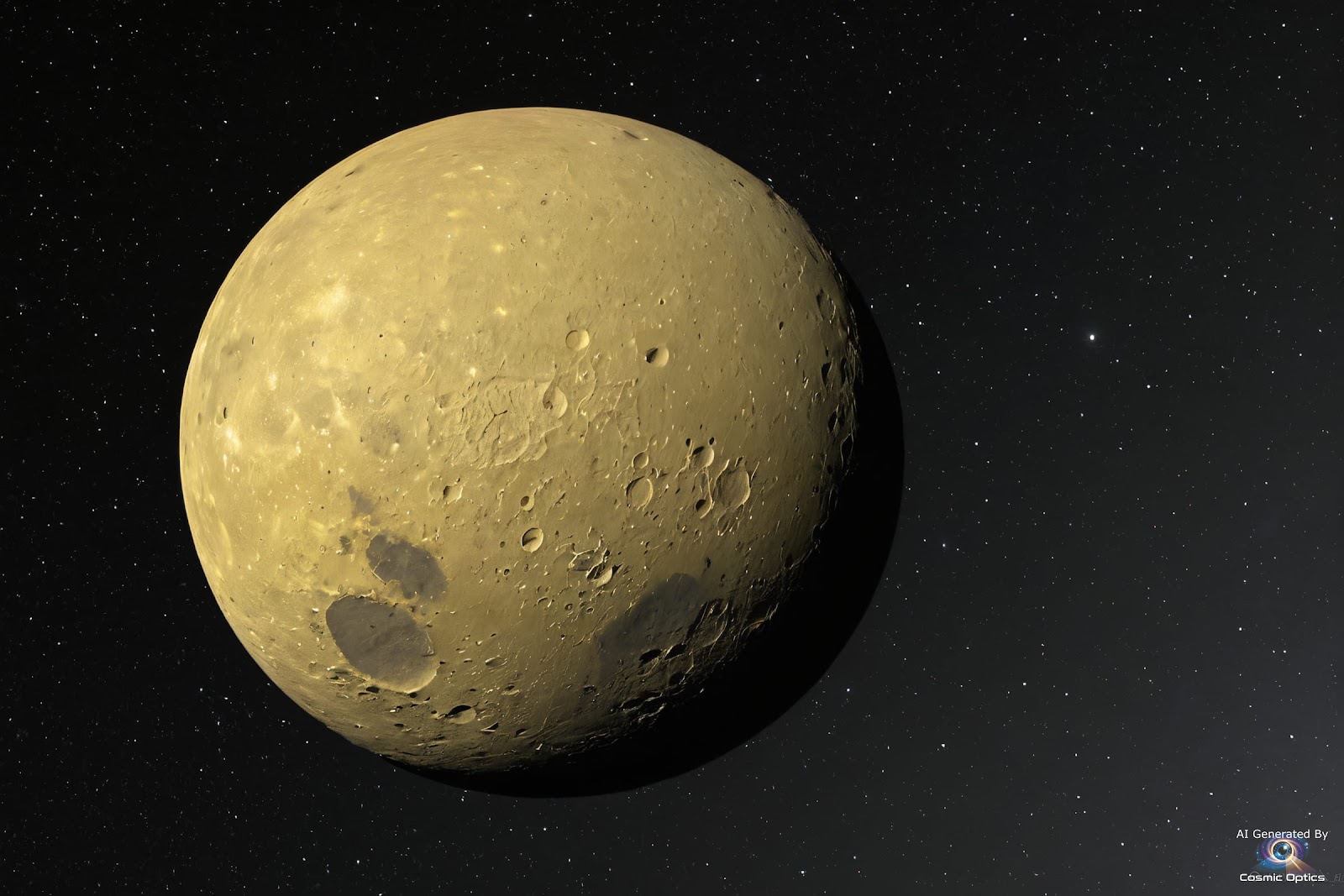
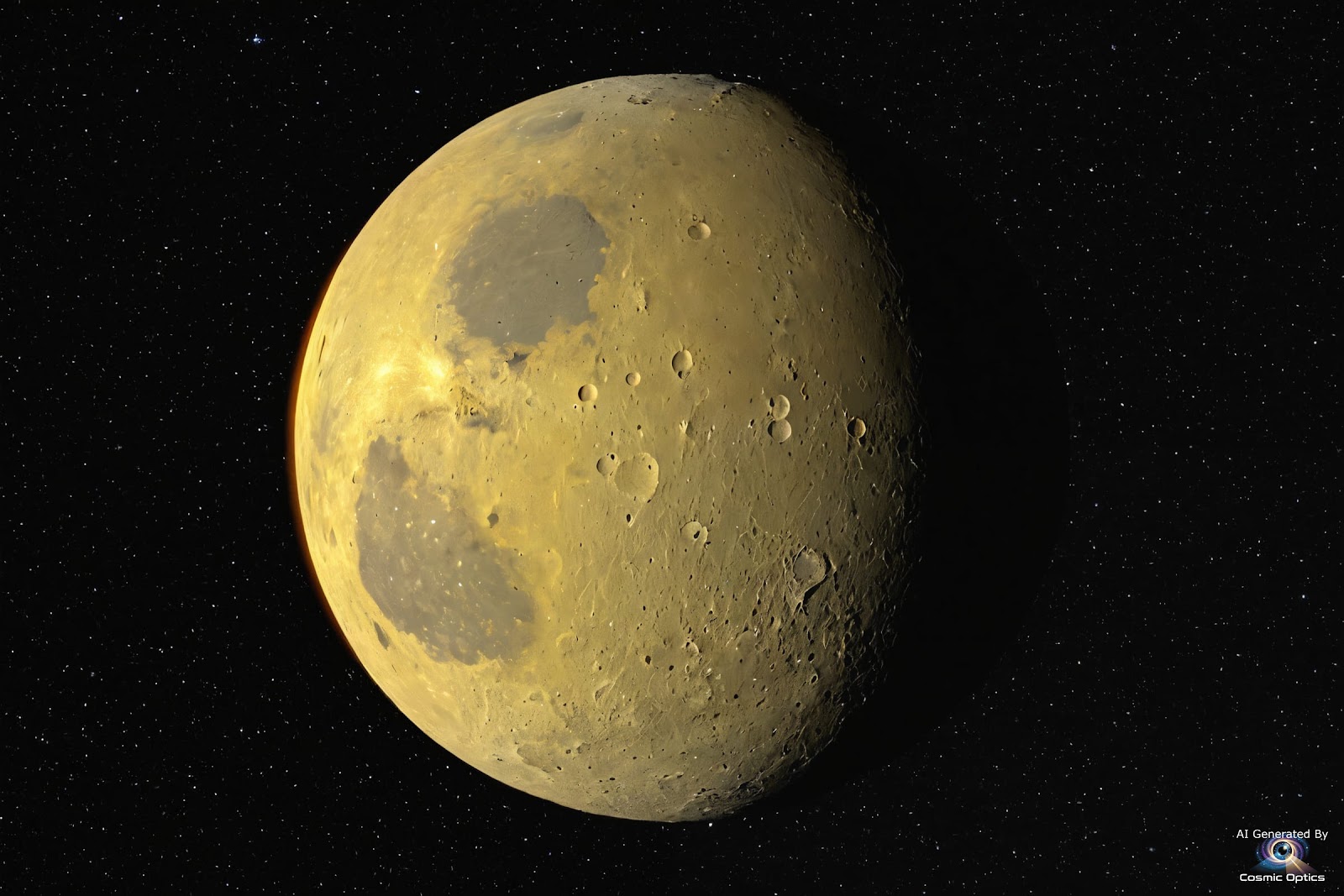
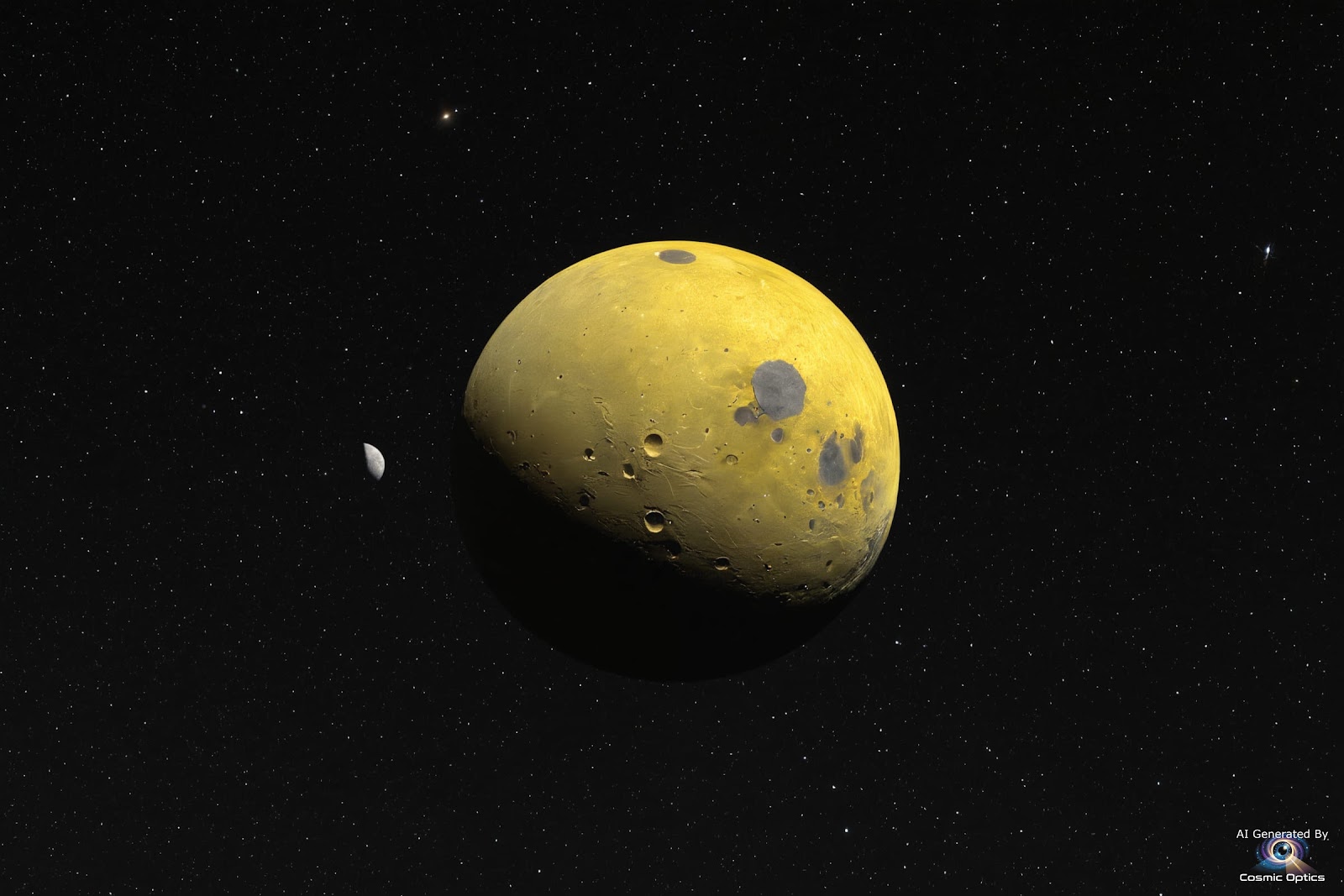
The Crimson Frontier: Unlocking the Geological Secrets and Future of the Red Planet
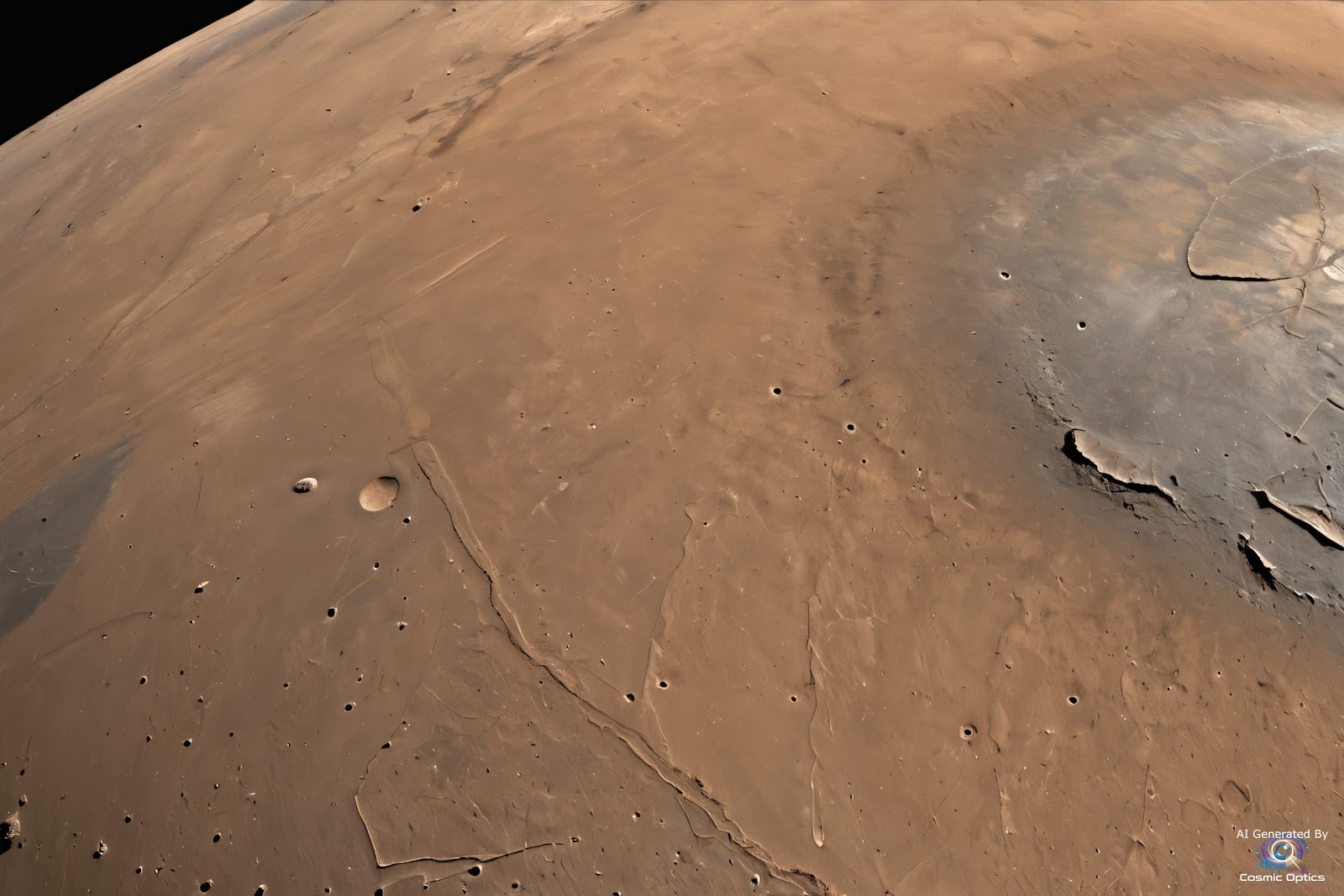
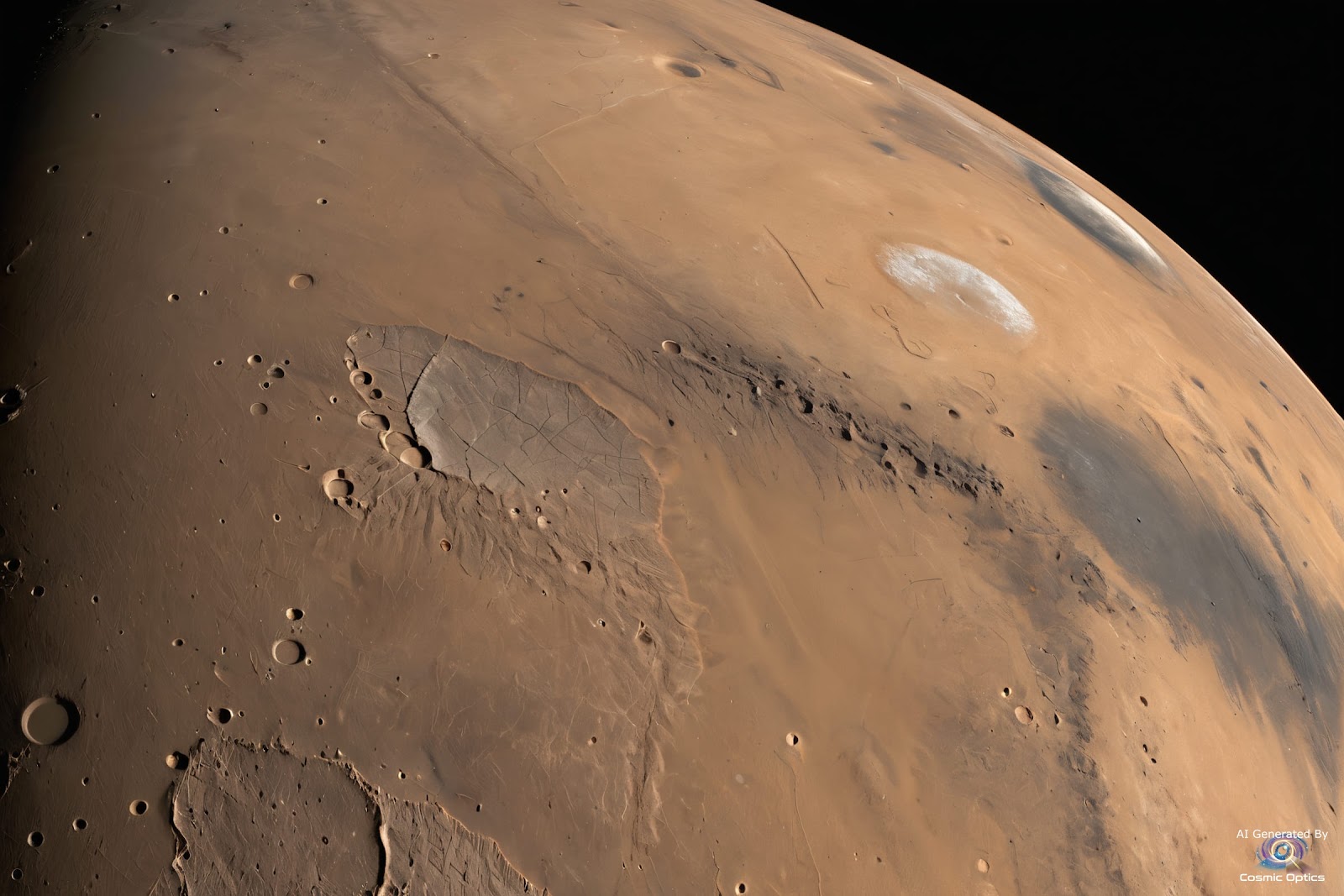
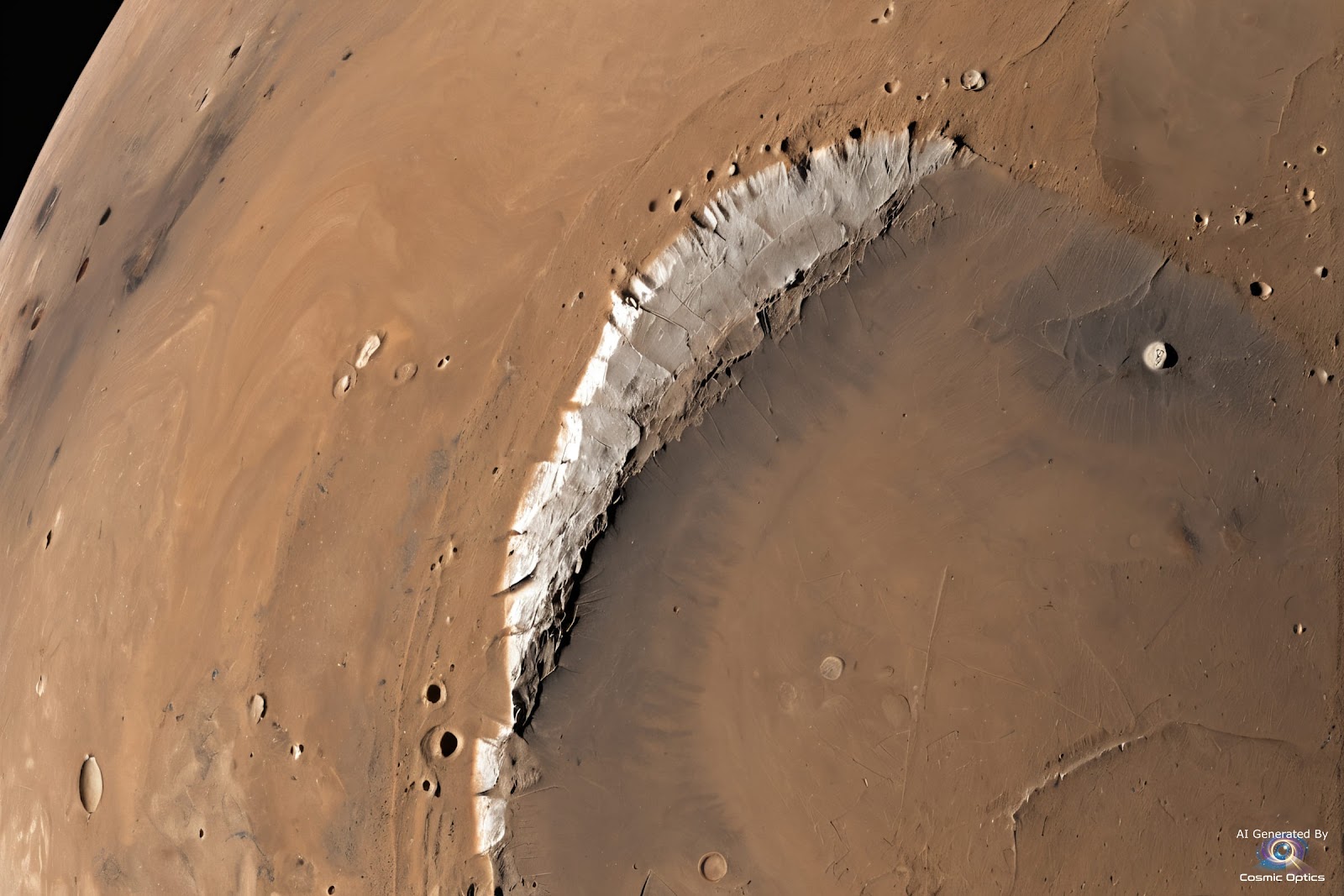
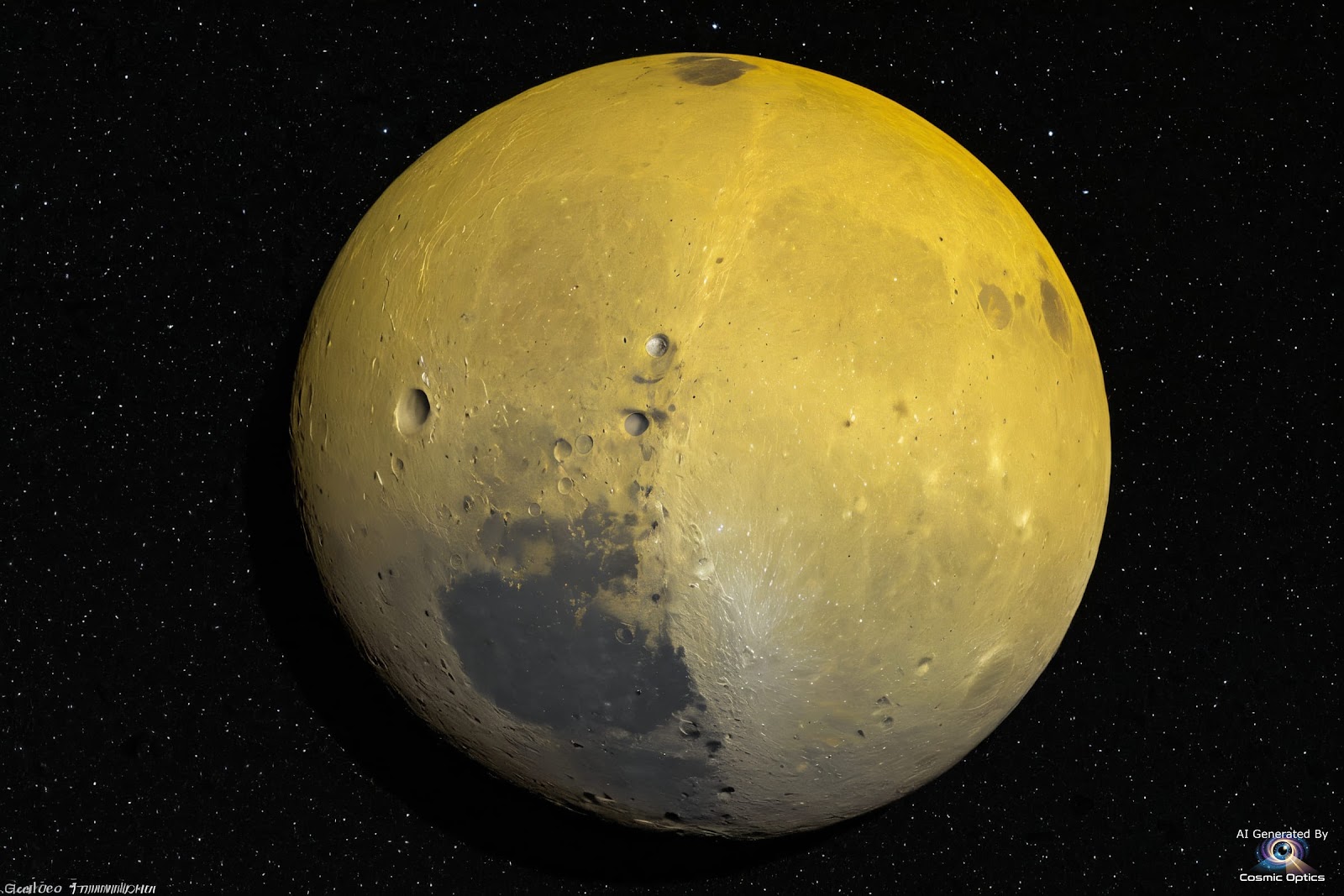
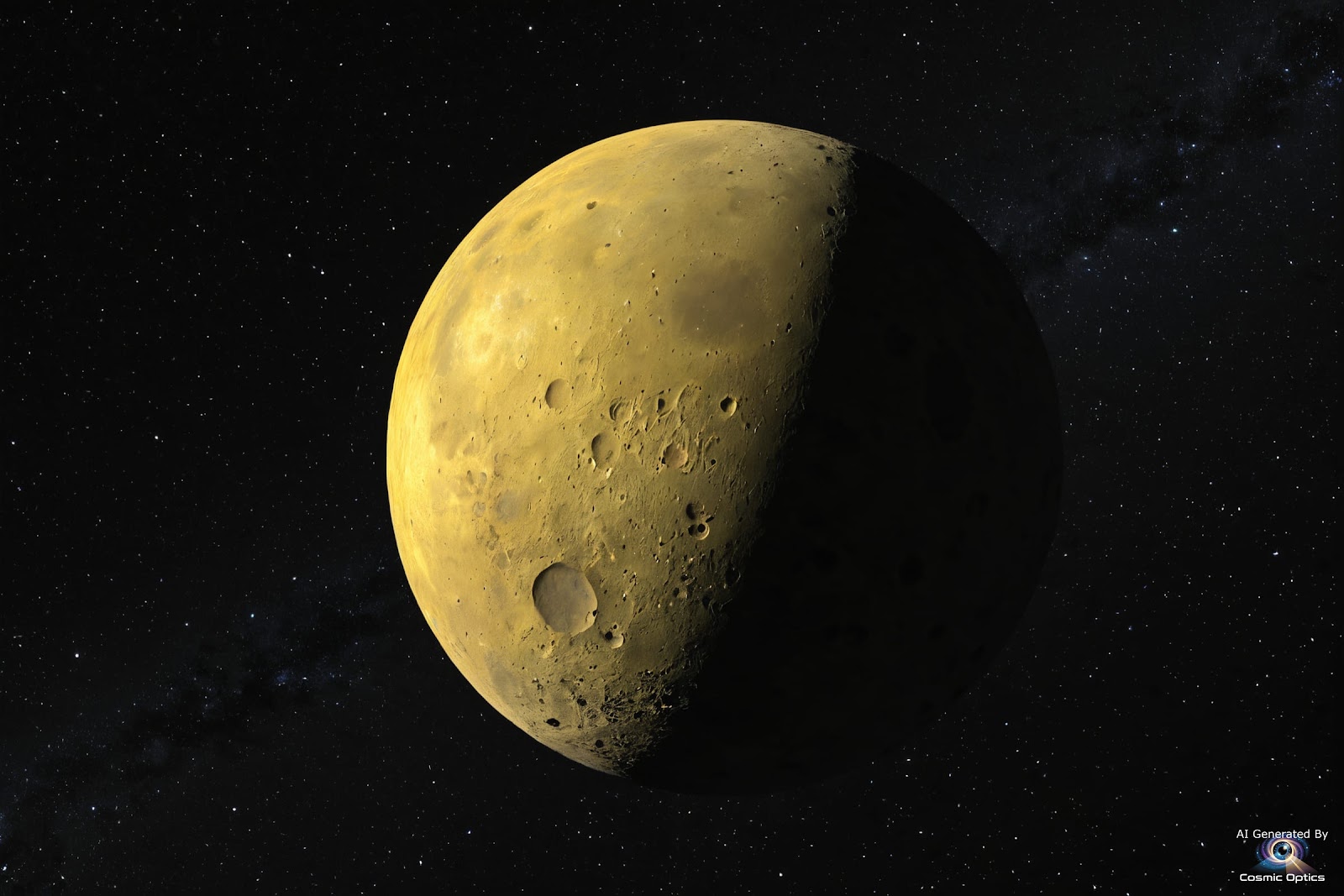
The crimson allure of Mars has beckoned to humanity since the first stargazers looked upward and noticed a wandering red spark in the velvet night. Named for the Roman god of war due to its blood-like hue, this rust-colored world is far more than a desolate desert; it is a complex, geologically diverse planet that holds the keys to understanding the history of our solar system and, perhaps, the potential for life beyond Earth. As our closest neighbor with a solid surface, Mars represents the ultimate frontier—a laboratory for planetary evolution and the primary candidate for the first human footsteps on another world. The striking coloration that defines the Martian landscape is the result of iron oxide, better known as rust. The planet’s surface is covered in a fine, powdery dust rich in iron minerals that have oxidized over billions of years. This process is not merely superficial; it speaks to a deep chemical history where oxygen and water once played a more active role. Beneath t...